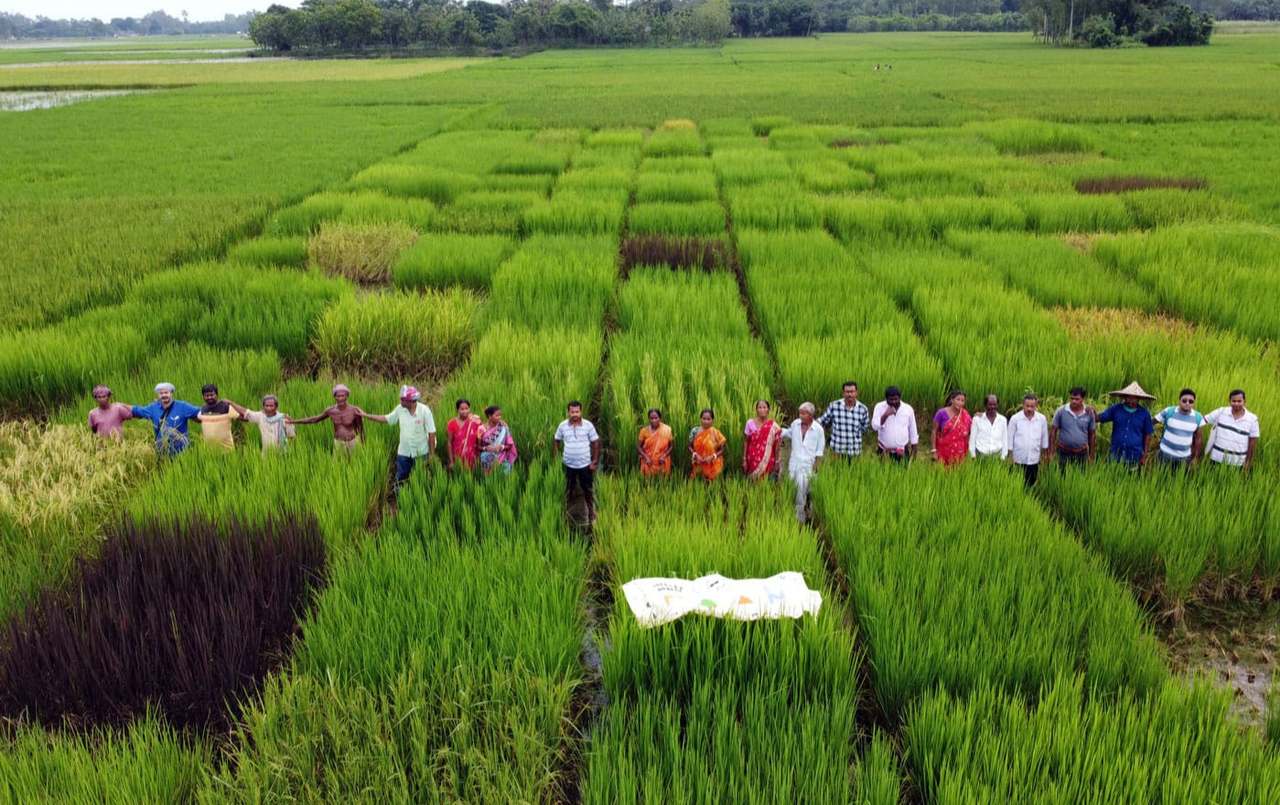
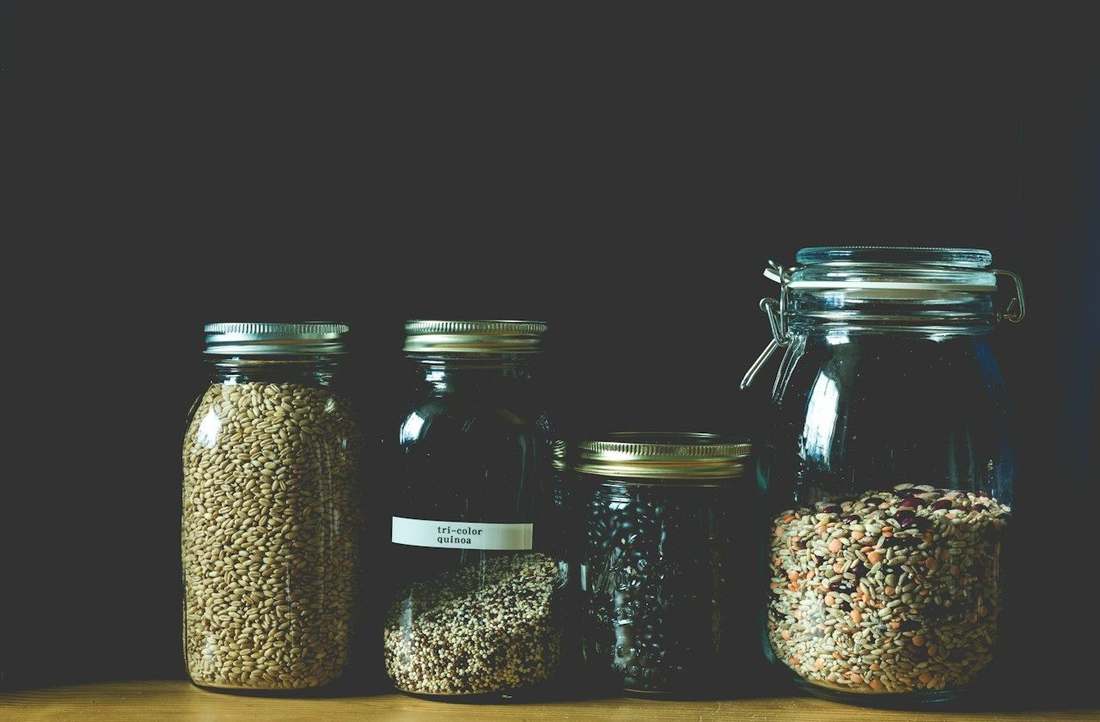
At present we conserve 600+ indigenous rice varieties, 12 potato varieties, 11 brinjal varieties, 5 bean varieties, 6 wheat varieties and 14 tomato varieties, plus different vegetables and barley.
These seeds are not only preserved: they are distributed among farmers of the region where they suit cultivation, and after harvest the seeds are stored again for the next year, to be given to new farmers. Separate committees of experienced farmers oversee seed conservation and organic manure production in direct contact with each grower, and a meeting is held in every unit before each season to choose crops.
After the quality check, produce goes to our non-toxic product centre "Chashi Ghar" in the Raiganj super market. Conservation cannot sustain without consumption, and the farmers' homes fulfil that responsibility well.
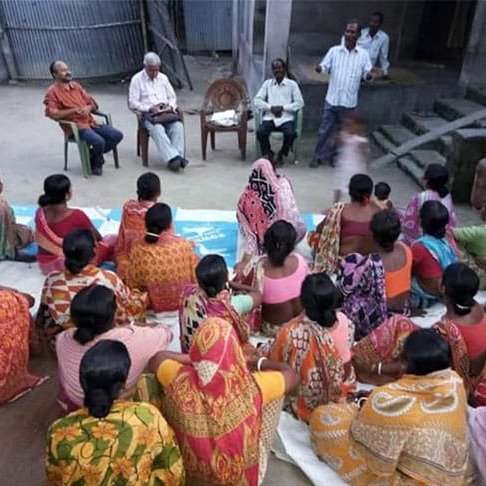
Seed bank
Where our seeds began
Our first path started with seed conservation. In the first year four indigenous rice varieties were collected; in the second year 14 varieties were cultivated. We are part of Bharat Beej Swaraj Manch and connected with seed savers across India.
Visit the galleryTraditional rice varieties collected
| Year | Varieties collected |
|---|---|
| 2013 | 34 varieties |
| 2014 | 50 varieties |
| 2015 | 75 varieties |
| 2016 | 100 varieties |
| 2017 | 150 varieties |
| 2018 | 165 varieties |
| 2019 | 180 varieties |
| 2020 | 412 varieties |
| 2021 | 384 varieties |
| 2022 | 624 varieties |
No funds have been received from any public or private body for seed conservation; the Department of Agriculture has helped farmers build the infrastructure for organic farming. Our activities are published in the "North-South" magazine.